
SPINE INFECTIONS
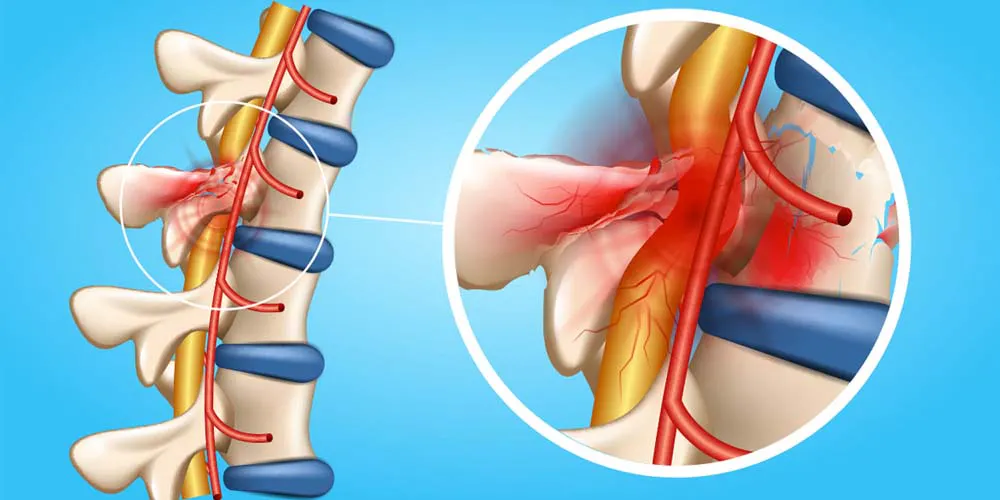
Infections of the spine include spondylitis, discitis, spondylodiscitis and epidural abscesses and are caused by various microorganisms. Bacterial infections of the spine are the most common type of infection in this group. Infections usually reach the vertebrae through the bloodstream from another focus in the body. In terms of infection, some patient groups such as smokers, those with malnutrition, those with AIDS and similar diseases that cause immune system disorders, chemotherapy recipients, transplant patients, diabetic patients, drug users, urinary system interventions are at risk.
Discitis
Discitis is an infection of the disc space. Discitis is primarily seen in childhood due to the blood supply characteristics of the disc. In adulthood, it is more commonly seen as an infection that develops after discectomy.
Bacterial vertebral osteomyelitis
Bacterial vertebral osteomyelitis is an infection of the bony structures of the spine with bacterial agents and secondary involvement of the disc space, adjacent soft tissues and epidural space. The most common causative agent is staphylococcus aureus.
Granulomatous vertebral osteomyelitis
The most common granulomatous infection involving the spine is caused by the microorganism mycobacterium tuberculosis (tuberculosis). Bacteria such as actinomyces, nocardia, brucella and fungi such as coccidioides, blastomyces, aspergillus, cryptococcus can also cause granulomatous infection. Tuberculosis is still a major cause of morbidity and mortality in underdeveloped countries. The spine is involved in 50% of affected patients. Infection of the spine is usually caused by blood-borne spread of the bacteria from another focus, such as the lungs or genitourinary system.
Spinal epidural abscess
Despite today’s improved diagnostic and therapeutic options, spinal epudural abscess is a serious disease that can cause death or disability. The abscess usually involves 3 or 4 vertebrae and is most common in the lumbar region. Spinal trauma, previous infection in another organ and medically concomitant diseases may be predisposing factors for infection.
Symptoms of spinal infections
The most important symptom of spinal infections is severe pain without a history of trauma. Therefore, diagnosis may be delayed. Signs of infection may include fever, weakness, headache, neck stiffness, swelling, tenderness, redness and discharge at the site of the operation wound. In some cases, the patient may feel numbness in the arms and legs, loss of sensation, weakness in muscle strength. In progressive and untreated cases, incontinence of urine and large bladder and complaints that may lead to paralysis may occur.
Treatment of spine infections
In the treatment of spinal infections, the causative microorganism must first be identified. For this purpose, taking a sample from the infection site should be a priority. After determining the type of infection in the laboratory, appropriate antibiotic treatment is started. Rest and corset use are usually added to the treatment. The main goal of treatment is to eliminate the infection and to ensure that the spine is functionally stable, i.e. not damaged by normal loads. Depending on the type and stage of the disease, the clinical picture of the patient and the causative microorganism, surgical removal of the area of infection may be necessary. Especially in patients with osteomyelitis of the vertebral body and infections that cause neurological damage, early surgical intervention may be necessary to prevent progressive paralysis.