
SPINE FRACTURES & TRAUMA
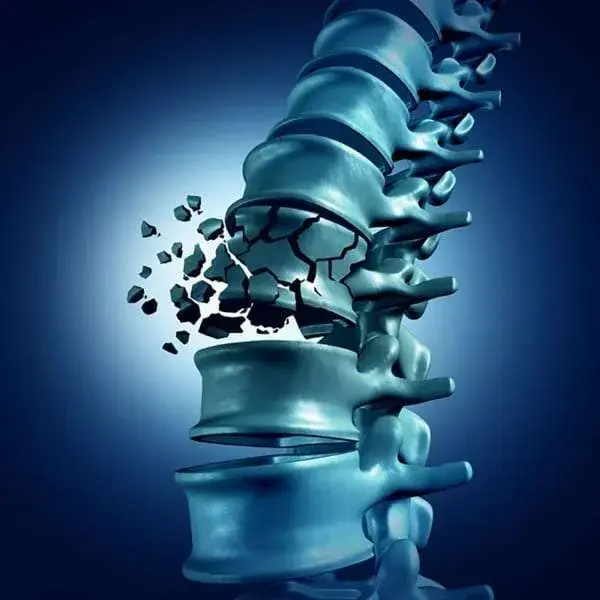
Spinal fractures are serious injuries that often occur as a result of traumatic events. These fractures can include cracks, fractures or crushing of the bones of the spine. Spinal fractures are often caused by falls, car accidents, sports accidents or other traumatic events. Here is some general information about spinal fractures and trauma-related conditions:
Types of Fractures: There are different types of spinal fractures. For example, vertebral fractures usually refer to cracks in the bones of the spine. These fractures usually occur in the bone structures surrounding the spinal cord.
Symptoms: Symptoms that may occur in a person with a spinal fracture may include
- Severe back pain
- Limitation of movement in the spine area
- Neurological symptoms (in case of spinal cord damage), which may include numbness, weakness or paralysis in the lower part of the body.
Diagnosis and Imaging: Spinal fractures are usually diagnosed with imaging tests such as X-rays, computed tomography (CT) or magnetic resonance imaging (MRI).
Emergency Intervention: In case of suspected spinal fracture, it is important to seek immediate medical attention. This can represent a serious emergency as it can damage the spinal cord.
Treatment Options: Treatment of spinal fractures usually depends on the type and severity of the fracture and other factors. Surgical intervention may be necessary to stabilize the spine and correct the fracture. In some cases, non-invasive treatments, such as the use of a cast or a supportive orthosis, may be sufficient.
Rehabilitation Rehabilitation after spinal fractures is important. Physical therapy and rehabilitation programs can help restore the patient’s strength, flexibility and function.
Long Term Effects: Spinal fractures can have serious and potentially permanent consequences as they carry the risk of spinal cord damage. A person coping with spinal fractures may need a long-term follow-up and treatment plan.
Spinal fractures and traumatic spinal injuries are among the serious conditions that require immediate medical attention and long-term rehabilitation. In such cases, it is important to contact a health professional immediately.